Brownell Limited have been working alongside Stream Peak International for several years by expanding into the asian markets with our complimentary products.


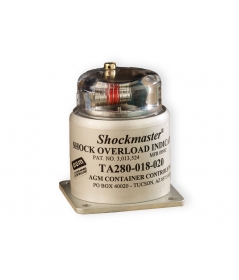
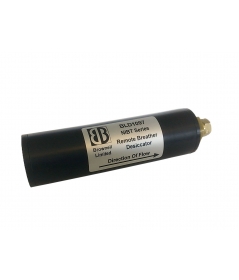
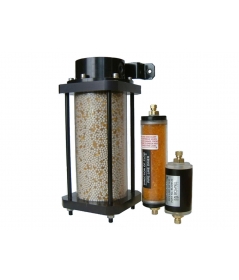

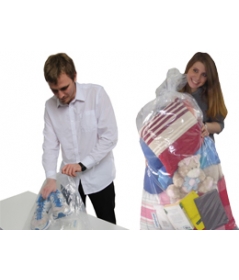
Since 1952, Brownell has developed its experience and a range of products dedicated to providing solutions to prevent and protect against the effects of condensation, humidity and pressure control.
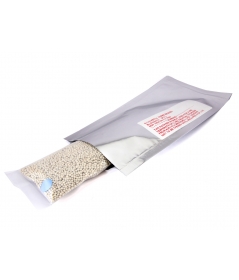
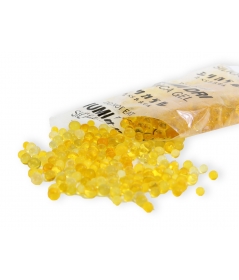
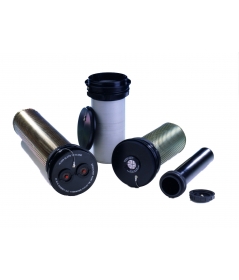
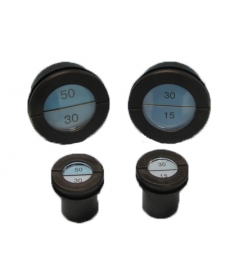
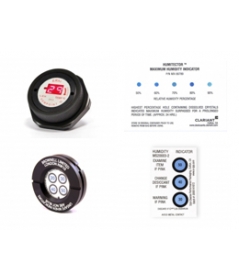
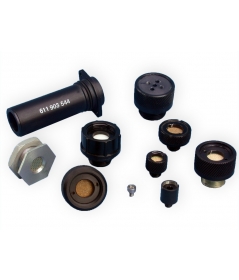
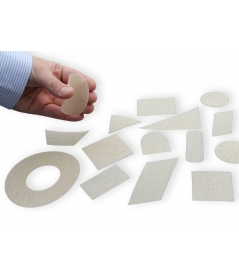
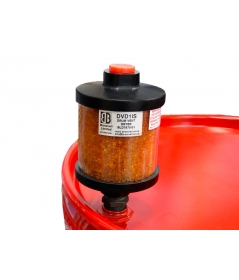
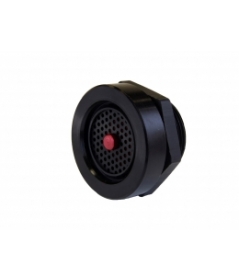
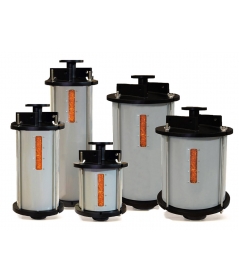
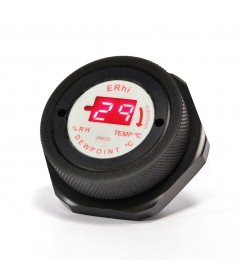
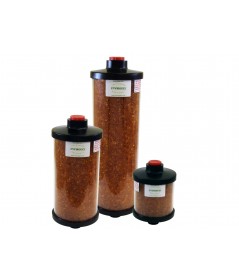
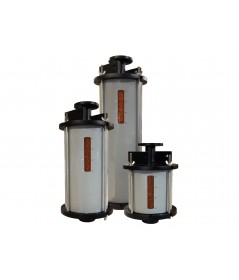
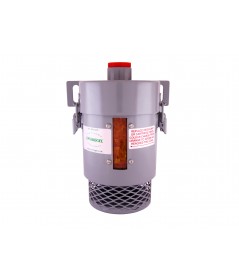
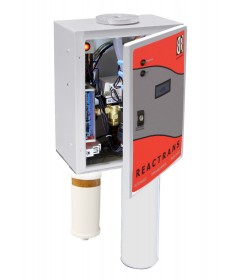
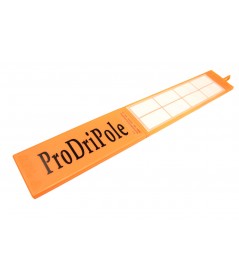
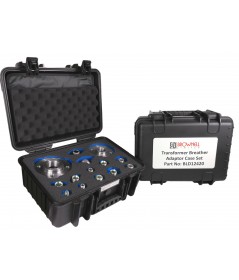
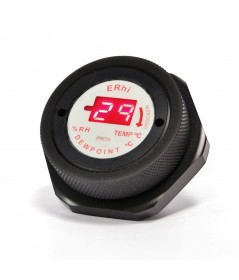
Brownell now offers a comprehensive range of products including desiccant bags, desiccators, humidity indicators, pressure relief valves and gas purging systems for applications in all of today's industrial sectors.
An ongoing commitment to research and development continues to offer customers and user's knowledge and products capable of proving solutions for their needs and requirements.
We welcome opportunities to work and cooperate with customers to develop solutions and products for their specific needs.
Brownell is based in North West London on the modern Park Royal Industrial estate
and holds ISO 9001:2015 approval.
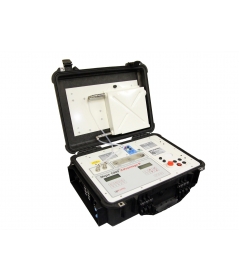
We also have a comprehensive data library and test facility for the performance of moisture barriers, equipment housings and operational scenarios to assist customers with the best design practices for the performance of their system.

Brownell Limited have been working alongside Stream Peak International for several years by expanding into the asian markets with our complimentary products.